|

|
HomeAbout LisaLisa's CalendarBlog PagePresentation TopicsFees and PaymentStudent TestimonialsTestimonialsSchools Impacted by DeathAdolescent Dating ViolenceAdoption IssuesAges and StagesSeniorsBooks for AdultsBooks for ChildrenBullyingChildren at Funerals?Children Coping with a DeathChildren of AddictionCollege, Grief and SuicideCommon Signs of GriefComplicated GriefCOVID-19 ResourcesCrisis HotlinesCultures and GriefCyberbullyingDeath: Car CrashesDeath of a childDeath of a Teen FriendDeploymentDepression SymptomsDepression in Children/TeensDivorceDomestic ViolenceEating DisordersExplaining Death to ChildrenFacts/StatisticsFears and Worries in KidsA Friend is DyingGrief TermsGrief Videos with MilesGamblingGuilt and RegretsHelpful ProductsHIV InformationHIV MedicinesHIV/AIDS support groupsHIV Testing in NJImmigration and LossIncarcerationJob Loss and GriefListeningLGBTQIA ResourcesLooking for SupportLossMen and GriefMental Health SupportMiscarriage or Stillbirth LossMurder or HomicideNational Support GroupsPhysicians and EmpathyParent Has CancerParent ProgramsPet Loss: Helping Children CopePhoto GalleryPTSDQuotes on GriefSchool FightsSchool ProgramScream Box: How to MakeSelf Injurious BehaviorSexual Abuse/Sexual AssaultSibling LossSpecial Needs & Children 1Special Needs & Children 2What Parents and Caregivers Can Do to Support ChildrenSpeaking to Very Ill PeopleStudents Share ConcernsAfter a Suicide AttemptSuicide PreventionAfter a parent's suicide: returning to schoolHealing After a Suicide (School)Suicide Survivors SupportSupporting a GrieverSpiritual AssessmentTalking to Grieving ChildrenThe Mayonnaise JarTraumatic and Sudden LossTLC of NJTeen GriefTeens Grieving in SchoolTeen ResourcesTeen Recommended BooksTraumatized ChildrenVirtual BookViolent DeathWhat to Say to a GrieverWhat Not to Say to a GrieverWhat is Mourning?What is Grief?When a Child is Dying (guidelines)When a Parent Dies
|
 Lisa
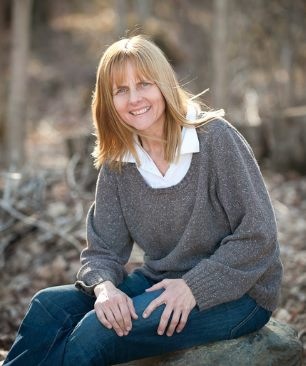
Athan, MA, Master's in Counseling, is the Founder and Executive Director of Griefspeaks Presentations, Workshops, Keynotes & Counseling for Adults,
Teens and Children Coping and Growing Through Grief, Loss and Other Tough Stuff Contact Lisa: (973) 985-4503 or Lisa@griefspeaks.com Lisa
presents anywhere in the United States and Canada Grief Speaks School Presentations meet all the objectives set by the New Jersey
Department of Education. As of 2024 all
students are required to have "Lessons on Grief and Loss" as part of their health curriculum in grades 8-12. Video and phone sessions now available for individuals, families, schools, and communities Workshops, Trainings, and Grief Support also available via Zoom, Facetime,
What's App etc. Pay with Venmo, Zelle, PayPal etc. Lisa recently had the opportunity to contribute to an article written by The Guardian, which focused on raising awareness about the mental health issues being faced
by so many during this pandemic.
This website is designed to provide a wealth of
information, encouragement and resources to grievers and those who wish to support them. Those who may benefit from reading
the website may be bereaved adults or others who want to best nurture and support children, teenagers or adults through loss
situations; teachers, administrators and school counselors wishing to support their school community following the death of
a student, parent or staff member; mental health professionals who are working with grieving children, teens or adults
or anyone else who is either faced with a loss of some kind and may feel lost or simply wish to support someone else
through grief and loss. For the griever, some words of wisdom from some
of my grieving clients: Please know that you are not alone, even though you will feel that way, don't get too far ahead of
yourself as it helps to stay in this very moment. When invitations come to you remind well meaning friends that you don't
know how you will feel later today, let alone next Saturday, so ask them to be flexible. Remember to rest, as grieving is
exhausting. Crying can be helpful and you can do most things while crying, including driving, ordering pizza and walking the
dog. Yet if you find you can't cry don't pressure yourself to. The time may come. Please try to lower your expectations of
what you can accomplish right now, ask for some specific help (like to walk your dog or get you some groceries, or for someone
else to make some calls for you) even if you find it difficult to do, avoid those who are critical, judgmental or just not
supportive as your energy needs to go to what is most important. Or consider letting those who are close to you know how they
can be more supportive; what they can do more of or less of. Also even though there is a lump in your throat try to
eat small nutritious meals and stay hydrated. Give yourself permission to grieve in your own way and time and to be
very gentle and kind to yourself now. Talking to a trusted person, journaling, support groups (for those who want to share
and listen to others share) going for a walk or other exercise, drawing, naps, being in nature, music, some movies (that don't
have grief as a theme) or light shows, driving, yoga, mindfulness, meditation (Insight Timer is wonderful and a free app for
smart phones) warm baths are just a few things that have helped many others. Treat yourself now as you would a dear friend
who was suffering a great loss. And know that there are many local and national resources and supports that can assist you
at this very difficult time to make navigating a new normal a little less overwhelming. One moment at a time. Take care dear
one. And let us always remember to be kind and patient with one another as so many of us are dealing with so much loss and
pain. Life can be so challenging but there are always those who show up for us along the way and make us feel cared for and
supported. They may not be the ones we expected to show up but if we trust a little bit and look around, we may be comforted
by those who do. Many of us find comfort as well from our four legged, unconditionally loving companions. "No one told me that grief felt so much like fear." -C.
S. Lewis "What we
once enjoyed and deeply loved we can never lose. For all that we love deeply becomes a part of us." -Helen Keller Lisa's
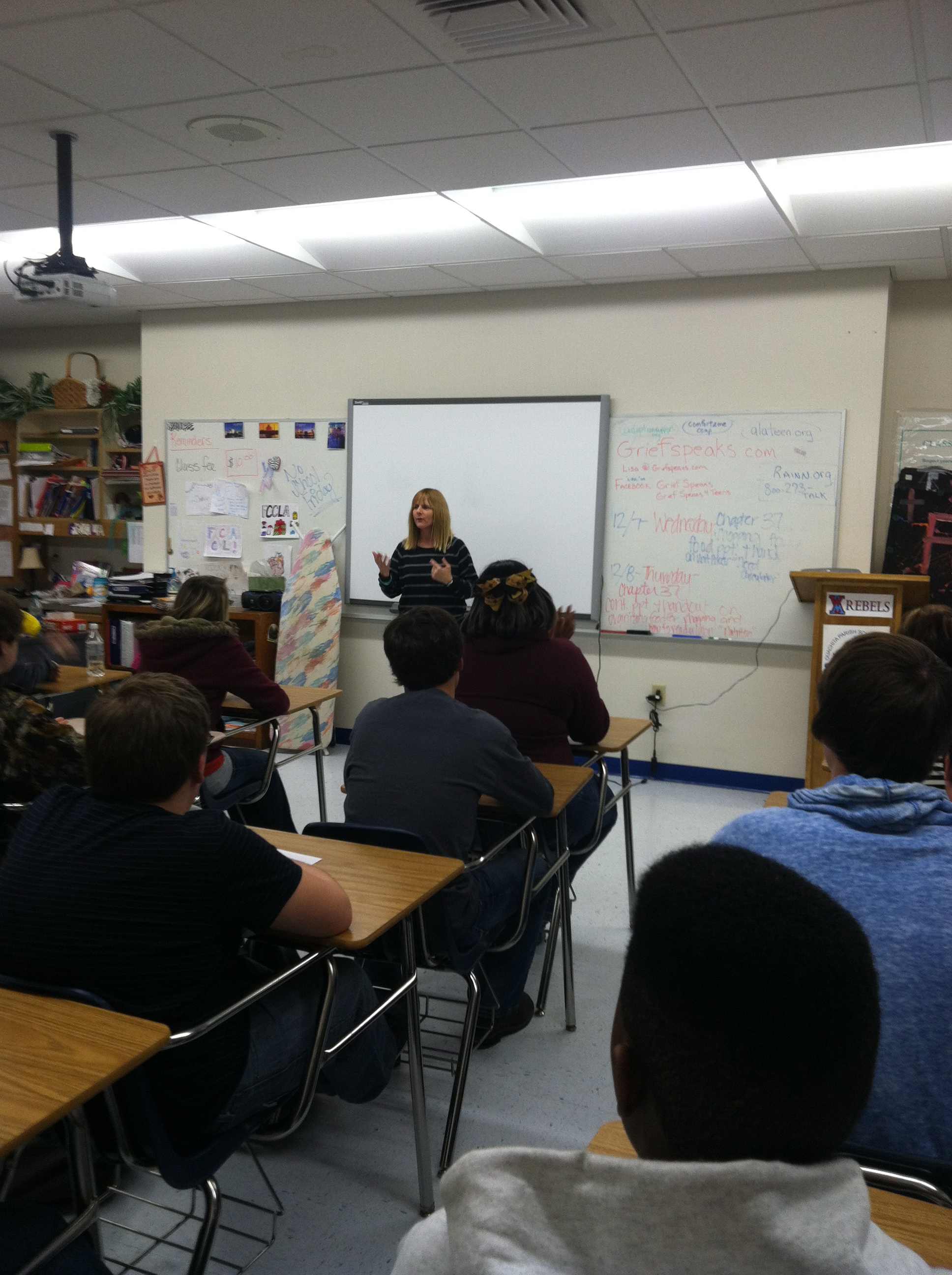
presentations touch on a variety of loss experiences in addition to death. She also speaks on navigating and thriving despite
experiencing childhood adversity and other trauma. Her powerful message of hope, healing and thriving through loss,
transition and adversity has been heard by thousands of teens and adults who love and work with children and teens all around
the country. Lisa has an amazing ability to connect with her audiences with honesty, authenticity, understanding and a real
compassion for their challenges. Audiences also appreciate her caring and timely sence of humor as many share
after that they laughed and cried during her presentation. She shares from her heart through her wealth of knowledge
and experiences, and from her own personal stories of resiliency and those of other young people who have risen above their
own difficult circumstances to lead healthy and satisfying lives. Lisa has been collecting thousands of these stories throughout
the years from around the country when she speaks. She currently is in the process of completing a book for grieving teens.
Lisa is passionate about normalizing grief in our society. Grief Counselor/Grief Specialist,
National Speaker on Coping and Healing Through Different
Types of Loss Speaks to Middle Schools, High
Schools, Universities, Conferences, Keynotes, Trainings and Responds to Communities Following a Tragedy Lisa creates customized presentations and keynotes on healthy coping and healing through different types of loss experiences.
She provides a powerful message of hope, healing and even thriving through loss, transitions
in life and adversity. Who is the audience?
Where do they take
place/what is the format?
What are the topics?
What information is taught?
Feedback - Presentation to 5th Graders on Coping with Loss, Transitions and Stress in West Orange, NJ Lisa presented to our 5th grade students about loss, life changes, transitions, and other tough stuff. She was very engaging and students quickly connected with her and opened up about their own experiences. Many students shared their worries about transitioning to middle school. Others expressed feelings about changes in relationships with friends and situations in their families. Lisa shared healthy coping strategies with students and stressed the importance of asking for help when we need it, a lesson we can all use reminding of. I can’t wait to have Lisa back next year! – Tara Donatiello, School Counselor
I appreciated that the students were able to discuss sensitive, but extremely relevant topics in school that classroom teachers do not have time or the curriculum to address. Children discuss these topics with each other anyway. It is important for them to have a guided supervised discussion to help them sort out problems and information that they hear, see, experience and give them viable safe options to help them deal with life. – Karen Thompson, 5th grade teacher
5th Grade Student Feedback:
Click Here to Learn More About Grief Speaks The mission of Grief Speaks is to normalize grief
in our 'Get Over It' and 'Move On" society. The vision to give every child, teenager and adult permission to grieve
in his or her own way and time, through all different types of losses and transitions. Lisa Athan, Grief Specialist and founder
of Grief Speaks, provides presentations, workshops and keynotes all over the country. Lisa is also a grief counselor and grief
specialist. Lisa is a counselor for teens and adults coping with different types of loss. Her speaking programs include
information on different ways that people grieve, how children and teens cope with loss differently than adults, how to listen
with compassion, strategies and tools for grievers and friends of grievers, stories from her extensive experience as a grief
recovery specialist and counselor, a wide range of resources and support for children, teens and adults who are coping with
grief due to all different types of loss.
Presentations, Workshops, In-Service Training,
Assemblies, Classroom Programs and Keynotes on Topics Pertaining to Grief in the lives of Children, Teens and Adults
Faced with Different Types of Loss. Lisa Athan serves
as a grief consultant and grief counselor for teenagers, adults, families, groups and for communities following a loss of
any type. Lisa has an office in Northern NJ, provides sessions via Skype and by phone, and also makes home visits or community
calls as a consultant. She conducts presentations and training programs throughout the U.S. and Canada. To find where Lisa will be speaking next, or has spoken previously,
click here to go to her Calendar page For information or to book Lisa for
one of your programs contact her at Lisa@griefspeaks.com or call 973-985-4503 Sign up for a free monthly Grief Speaks newsletter which is full of information, resources and suggestions on different
topics that relate to loss. Permission to Grieve When Your Children Go Away to
College, is an article I wrote for parents who are experiencing grief over sending their children off to college. This article
has been circulating around the country and I was even interviewed this morning for a Detroit radio station, for The Warren
Pierce Show, with Warren interviewing me after he read it. The original article has had over 1000 comments from parents who
also could relate to the sadness after leaving their beloved child at college. Today the Executive Editor of The Patch throughout
NJ and PA, Tom Davis, contacted me to let me know he ran the article in every patch this week. I also just got a note from
a friend who said that Syracuse University sent it out today to the freshmen parents who left their children last night at
SU. To read it on my website simply click:
Click here to see where Lisa has presented and where she will be next.
Grief
Speaks: Giving every child, teenager and adult permission to grieve and providing grief with a voice by means of presentations
and workshops that provide education, strategies, resources and support for children, teens and adults who are coping with
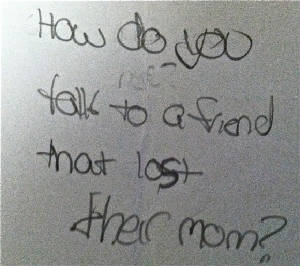
grief due to all different types of loss. "There are three needs of the griever: To find the words for the loss, to say the words aloud and to know that they have been heard."- Victoria Alexander Like GriefSpeaks on Facebook for daily quotes, resources, books and helpful coping suggestions.Like Grief Speaks 4 Teens on Facebook and read anonymous cards written by teens about what they are struggling with, how they feel and what helps them cope. Check out Miles, our adorable Grief Speaks' Therapy Dog who stars in some brand new YouTube Clips, as he and friends learns about coping with grief and loss. Visit the Miles page on this site or click here Grief Speaks conducts workshops, presentations, keynotes and in-service trainings for schools, hospitals, businesses, agencies, communities, and organizations. Lisa speaks to adults, teenagers and children about Coping with Losses, Transitions and Grief. Audiences leave with a better understanding of how grief manifests in children, teens and adults. Lisa teaches that grief is not only from a death loss but from such issues as loss of relationship, loss of possessions, loss of identity, loss of hope and dreams, loss of skills and abilities, loss of the future, loss of safety, loss of environment and more. She teaches that some loss is tangible while other loss is intangible. Lisa provides many coping tools and strategies that can be used by young children, elementary level, middle schoolers and teenagers. Lisa creates an interactive program that changes the way her participants view grief and how they may now support a fellow griever. Lisa speaks all over NJ in elementary, middle and high schools as well as colleges and universities. Students and school staff benefit tremendously from the wide variety of presentation topics that Grief Speaks offers.
Grief Speaks is also available to come out in the event of a loss at school, work or in the community to speak about the loss and grief, which is a very important topic yet often avoided in our society. Often grief becomes like the elephant in the room, clearly present, but often unacknowledged. It is valuable and important that we do not pretend that everything is still the same after a loss has occurred. Unresolved and unacknowledged grief can lead to a lack of joy, depression, unhealthy risk taking behaviors, promiscuity, substance abuse and addictions, emotional problems, difficulty in relationships, academic failure, apathy, delinquency, anxiety, rage, self harm and even suicide or homicide. Who can benefit from Grief Speaks? Teachers, parents, coaches, physicians, nurses, hospital staff, emergency room staff, EMS workers, fire departments, police departments, First Aid Squads, assisted living facilities and nursing homes, aunts, uncles, camp counselors, youth group directors, YMCA staff, guidance departments, student assistant counselors, school staff and support staff including custodians, bus drivers, lunch aides, office staff, school nurses, board of education members, PTA's, counselors, day care workers, crossing guards, after school staff, coaches, religious teachers and leaders, corporations and employees, and anyone else who would like to learn how to support or assist grieving children, teens or adults in their lives at home, work or in the community. What Schools Have to Say: Hi Lisa, This email is long overdue. You can and spoke to my graduate class at Kean University a couple of months ago. I run a grief group at my school for several students and sometimes I feel stuck and unsure which direction to take with them. After listening to you speak, I feel more confident and comfortable running this group. I also passed along the information to their families about the camp (Clover Camp: free bereavement day camp for children ages 7-15 on August 22-26, 2011), support groups and other resources you shared with us. It is extremely important to me as a school counselor and LAC to always have as many resources and as much information as possible to best serve my students and clients. After hearing what you shared you helped me along my path personally as well. You reminded me that it is OK to express my own grief in various ways and that this will be a life-long process for me as well as my family members. Thank you for the reminder to treat myself as lovingly as I do my students and clients. Thank you for all you shared and provided. I have purchased several of the books and resource guides that you brought to show us. They have been extremely successful. You website is a HUGE source of information. I LOVE IT and have shared it with several friends who are school or professional counselors!! You're amazing...keep up the amazing work you do so selflessly each day. I remember you were playing music as we walked into class. Here are two great suggestions for you from a newly released Micheal Jackson album: Hold My Hand and A Place with No Name. Thank you, Thank you. Jodi Hess (School Counselor) “Lisa gave a presentation to our school guidance counselors that was outstanding: informative, lively, articulate, meaningful, everything we could have asked for. The audience was totally engrossed from start to finish. The material benefited not only every student in the school whom we can now counsel more effectively but every counselor personally as well. Her talk was so dynamic and energetic that we all felt we could have sat for another two hours. I personally wished I had taped the presentation so I could play it back and digest all the little gems of wise advice that were interspersed with her accounts of actual cases. She also brought much wonderful resource material--one of the counselors was so excited, she said she wanted to read each and every book on the table. I would heartily recommend Lisa as a speaker for teachers, counselors and/or students, especially in a situation where many are dealing with crisis situations. She is loaded with good advice and good strategies.” November 13, 2009, Shelly Levine, Head of Guidance at Delbarton School, Mendham, NJ
"I had the privilege to meet Lisa when she gave a workshop on Grief and Loss at Passaic County Technical Institute. Co-Workers and I concur that this was one of the best continuing education training we have ever attended. Lisa is extremely knowledgeable in her field and captures each audience she meets as she is a dynamic speaker with a myriad of resources and tools to work with a grieving population. I have always been impressed by how much she puts herself into her work with the populations she serves -- her enthusiasm is contagious. Ever evolving in her scope of practice, Lisa’s expansion from consultant into the world of her own company is a credit to her drive to help others and I am pleased to have her as a colleague.” November 13, 2009, Stephanie Nauta, Guidance Department at Passaic County Technical Institute where Lisa spoke to the staff for a 2 hour professional development workshop on Supporting Grieving Students. Stephanie is also a professor at Kean University and had Lisa speak in 2008 and 2009 to her graduate students on The Importance of Supporting Students Coping with Grief).
Feedback from the New Jersey Counseling Association Conference 4/10/10 Presented on Grief, Loss and Healthy Coping at Brookdale Community College
Some Thoughts on Grief It is crucial that we don't ignore grief or pretend it isn't there. Stuffing and avoiding it only causes it to fade from the surface and erupt later and in different, and often destructive ways. Grief is normal and natural. We need to acknowledge another's loss and grief, be understanding and patient that each person grieves in his own time and in her own way. Say something like "I am so sorry to hear about your loss". So often grievers feel left to handle the loss alone, as others are so afraid of saying the wrong thing, so they say or do nothing. Offer a hug, send a card, show up, partake in the rituals, acknowledge the loss, bake some cookies, share memories of their loved one, just sit with them and allow them to express their grief. Don't force someone to talk about it. Trust that if a person feels safe, respected and supported during their time of loss, they will grieve. When we love someone and lose them we grieve. Many say that grief is a sign of love. However, we grieve those relationships that were full of conflict and hurt too. Don't assume that the relationship was only positive. It is healthy for the griever to be able to talk about the happy and the less than happy memories. Grant one another permission to grieve. Grief is a process, not an event. In our fast paced world, we long for speed grief. We grow impatient when others are "not over it" yet or "still sad". We think that there is a time frame for grief and often act like the "grief police" letting others know that they are violating their allowed time. Grievers need bumper stickers that read, "I am grieving as fast as I can" or "Griever on Board". We must do the difficult and at times exhausting 'grief work' if we are to begin the healing process and to be able to once again engage in life and relationships fully. What Schools Say About Grief Speaks: "Lisa is an
engaging speaker who offers useful tools to help people of all ages understand and manage feelings that they may not even
know are related to grief and loss. She infuses humor and real life examples into her presentations that everyone can relate
to. Lisa is extremely knowledgeable and passionate about her commitment to helping others recognize how grief and loss may
be affecting them. I think it's extremely beneficial for parents, educators, and students to attend her talks
to help them know what to say and what to do when someone in their lives or communities suffers a loss. I highly
recommend attending a Grief Speaks presentation! It's an empowering experience!" - Laura Leigh Smith, Ph.D, LPC
Corresponding Secretary t for the James Caldwell PTA, Springfield, NJ. "Didn't want this day to go by before thanking you so
much for your wonderful presentation last night!!! It was informative, heart-wrenching, and even humorous (if that
is possible!) ...making it a totally enjoyable evening for all! It doesn't matter how many times I hear you speak,
you continue to enlighten and inspire me to think outside the box in my daily practice!" - Monica Cattano, Nurse
at Jefferson School, Summit "Thank you for taking the time to present to our school. The staff, students, and parents learned a great deal about recognizing when someone is grieving. We also learned about the many types of losses that may cause someone to grieve. Your presentations at our faculty and PTA meetings helped us to identify grief in others, especially our students, while providing strategies to assist those who are grieving. Through your classroom presentations, our students gained an understanding of how to deal with their own losses and how to be sensitive to anyone who is grieving from a loss. In the short time since your presentations, we have already experienced the benefits from them. The staff, counselor and I have begun using strategies learned to assist our students. On behalf of the entire faculty at James Caldwell School, I appreciate your support and welcome you back next year." - David Rennie, Principal at James Caldwell School, Springfield, NJ. What High School Students Say About Grief Speaks: "It was so refreshing to have someone talk to us about dealing with different kinds of grief. For me, this was the first time anyone has even spoken to me about how to handle loss. It took so much tension from my life when I realized that all of the anger I was feeling was really just masked grief." HS senior " Thank you for helping me with my friend who has a dad who was diagnosed with cancer a year ago. He is going to die and now I have learned things to do and say that can be helpful and help her as well through it. Thank you for helping". HS sophomore "Thanks for coming in. I learned that I am in grief over being overweight My friends tease me a lot and I go along with it and make fun of myself when really it hurts, and I wish so bad that I wasn't overweight." HS Freshman "I can't thank you enough. My dad died two years ago and not one kid in school talked about my dad after that. You came and gave permission to the kids to talk to me again. My best friend and I haven't spoken in the past two years much at all, and now after your talk, we sat and talked for an hour. He apologized and told me he didn't think he should bring up the death. Now we have our friendship back. I am so grateful that you came in. The kids are now talking to me about my dad and it is a relief." "I think every student from Kindergarten up through high school should hear these presentations. This is so much more important than math." HS senior
What Middle Schoolers Have to Say to Lisa after her 1 hour presentation in their classroom: "The assembly was helpful as it taught me that it is okay to cry. My favorite part was when we talked about what helps when we are feeling upset." "I thought this talk was very useful as it taught us how to get your stress out. I like how we got to share stuff on a card with her and she read it outloud and gave us help with our difficulties." "I think Grief Speaks was a cool assmbly. I liked the idea of writing a letter when you are mad, but not sending it to the person. I think I will use these ideas the next time I have to deal with tough stuff in my life." "This program really helped me with dealing with the death of some of my relatives. I now have some things that I can do like make a memory box or write them a letter saying everything I didn't get to say to them. I also learned that you can go to a guidance counselor at school to talk about your problems, not just about school work." "I feel bad for anyone who missed this assembly. It was great. It can save kids from going into gangs or even the wrong crowd. I think it was incredible. I hope that they continue this so the next generation will receive the privilege of hearing this talk!"
What
Elementary School Students Have to Say:
What Teachers Have to Say: "Lisa was excellent, motivating
and relevant to this population." A High
School Teacher in Union, NJ What Hospitals Have to Say: "Lisa's talk was phenomenally good. She was spontaneous and absolutely riveting, with more than enough important
content to anchor the stories she told. I wish I had the talk on tape, both for the value it had for me personally as well
as for professional use. I intend to have her come speak to the family medicine residents here at the hospital. I would urge
all of the other residencies to consider her as well." Stuart Green, PMH, LCSW, Associate
Director of Overlook Hospital Family Medicine Residency Program, Summit What Counselors Have to Say: "Lisa Athan provides exceptional training to both children and adults on how to help children in grief. Through her workshops, she engages participants in understanding the impact of grief through simulations, reflections and sharings while also sharing her keen insight into the grief process. Anyone who has had the privilege of attending such a session led by Lisa is sure to report an "Ah-ha" moment when he or she reaches a new level of understanding. If you are in need of a caring and competent trainer or support person, I urge you to contact Lisa.” - Mary Fleck (Facilitator of Peer Support Group , Good Grief) "She's excellent - I want to put her in my pocket and take her home." - Morris County 2008 NJ Student Assistant Professionals Conference "Lisa was inspiring, funny, engaging with great tools, ideas and book suggestions" "Your workshop was really engaging and amazing. I learned so much that I am able to apply daily! Thank you for your dedication and knowledge on grief work. It is so important!" Counselor at a Livingston Elementary School (Sept 08) What Others Have to Say: "Lisa, We thoroughly
enjoyed your presentation at the Glen Rock Jewish Center at the Movin-On Group (for widows and widowers).Your delivery was
so engaging. By any measure you are a very effective speaker and educator. I found your comments on living with grief especially stimulating
. It was thoughtful of you to add those personal observations. Your talk gave many of us a boost to life . I personally feel
much more confident in handling my own grief . Thank you for a very valuable experience. and I hope you can visit us again."
With Gratitude Binny " We
pay psychotherapists to cure it, take Prozac to mute it, seek counseling from religions which exhort us to rise above it,
read inspirational books to overcome it, join recovery groups and self-help groups to cope with it, spend millions to escape
it, use alcohol, drugs, food, work, possessions, sex, entertainment and all the techno-toys we can get to distract ourselves
from it." - Margaret Greenspan, Healing Throught the Dark Emotion
"There are many sorrows in today's world! These sorrows are due to hunger, to dislodging, to all kinds of illness. I am convinced that the greatest sorrow of all sorrows is to feel alone, to feel unwanted, deprived of all affection. It consists in not having anyone....May we all be instruments of peace, of love, and of compassion." -Mother Teresa It is crucial that we discuss this very important topic that is affecting our present as well as our future. We need to learn how to support one another in grief as well as to learn powerful tools that can encourage and increase resiliency in our youth.Call to speak to Lisa to discover how she can create a unique presentation or workshop for your school, organization, hospital, business or community group. Call (973) 985-4503 to
contact Lisa or email her at lisa@griefspeaks.com
|
||||||||||||||||||||||||||||||||||||||||||||||||||||||||||||||||||||||||||||||||||||