|

|
HomeAbout LisaLisa's CalendarBlog PagePresentation TopicsFees and PaymentStudent TestimonialsTestimonialsSchools Impacted by DeathAdolescent Dating ViolenceAdoption IssuesAges and StagesSeniorsBooks for AdultsBooks for ChildrenBullyingChildren at Funerals?Children Coping with a DeathChildren of AddictionCollege, Grief and SuicideCommon Signs of GriefComplicated GriefCOVID-19 ResourcesCrisis HotlinesCultures and GriefCyberbullyingDeath: Car CrashesDeath of a childDeath of a Teen FriendDeploymentDepression SymptomsDepression in Children/TeensDivorceDomestic ViolenceEating DisordersExplaining Death to ChildrenFacts/StatisticsFears and Worries in KidsA Friend is DyingGrief TermsGrief Videos with MilesGamblingGuilt and RegretsHelpful ProductsHIV InformationHIV MedicinesHIV/AIDS support groupsHIV Testing in NJImmigration and LossIncarcerationJob Loss and GriefListeningLGBTQIA ResourcesLooking for SupportLossMen and GriefMental Health SupportMiscarriage or Stillbirth LossMurder or HomicideNational Support GroupsPhysicians and EmpathyParent Has CancerParent ProgramsPet Loss: Helping Children CopePhoto GalleryPTSDQuotes on GriefSchool FightsSchool ProgramScream Box: How to MakeSelf Injurious BehaviorSexual Abuse/Sexual AssaultSibling LossSpecial Needs & Children 1Special Needs & Children 2What Parents and Caregivers Can Do to Support ChildrenSpeaking to Very Ill PeopleStudents Share ConcernsAfter a Suicide AttemptSuicide PreventionAfter a parent's suicide: returning to schoolHealing After a Suicide (School)Suicide Survivors SupportSupporting a GrieverSpiritual AssessmentTalking to Grieving ChildrenThe Mayonnaise JarTraumatic and Sudden LossTLC of NJTeen GriefTeens Grieving in SchoolTeen ResourcesTeen Recommended BooksTraumatized ChildrenVirtual BookViolent DeathWhat to Say to a GrieverWhat Not to Say to a GrieverWhat is Mourning?What is Grief?When a Child is Dying (guidelines)When a Parent Dies
|
Lisa with residents of Sunrise Assisted Living 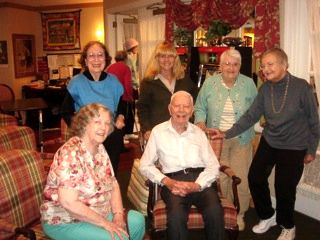 Lisa
presented on Handling Life's Changes Lisa Athan, MA, Grief Recovery Specialist, conducts each of the below programs
for assisted-living facilities and nursing homes. 1. A staff in-service program on
grief, loss and healthy ways to cope. Lisa focuses on the many types of loss that so many of the residents deal with
on a daily basis including loss of skills and abilities, loss of youth, loss of independence, loss of friends and
family, loss of control, loss of familiar surroundings and so much more. It is vital that staff is aware of all
of the many layers of loss that so many of the residents are coping with. It is also imperative to know the normal
signs of grief and what is helpful to say and what is best to avoid saying. Lisa will discuss those ambiguous losses such as
having a loved one who is suffering from a stroke, Brain Injury, or Alzheimer's disease. It has been found
that the more uncertain a family member is about the patient's status as absent or present, the greater the family
member's symptoms of depression. Staff also needs to learn how to practice self care techniques so that they
don't become "burned out" or suffer with "compassion fatigue". 2. Growing Older Is Not for Sissies: A program on grief, loss and healthy
ways to cope for residents. So often the elderly population has their grief
overlooked and ignored. It has been called "disenfranchised grief". We live in a "get over it"
and "move on" society which rarely take the time to listen and talk with those who could really benefit
from sharing about their lives. Acknowledging loss is crucial to healing loss. This program will allow the residents
to listen as well as to share what they would like to about their own losses or coping skills. The focus is on strengths
and helping those residents to find healthy outlets for their feelings and ways for them to honor their losses. 3. A program for families to help them with their own grief. "My
Loved one is Living in a Good and Safe Place Yet I Still Feel Conflicted" A separate program is just for families who are dealing with a loved one with Alzheimer's disease called: "Goodbye
without Leaving." So many families today are having to deal with so much in terms of sadness, guilt,
regret, anger, loneliness, worry, and confusion when it comes to their loved one now living in a new place such
as assisted living or a nursing home. They may have less access to their loved one and feel less in control of their
care. They may take out their feelings on their loved ones, staff or those around them. They need support now as well. This
program is for them to have the opportunity to hear that many of the feelings, fears and concerns that they have are
perfectly normal and natural. They too need to know healthy ways to cope. 4. A six week program for residents called
"Healing our Grief" This 6 week group meets weekly for an hour
at a time to explore different aspects of grief and loss as well as to give each participant a chance to use the activities to
do their own healing. They will learn that each person grieves in their own way. Some grieve more emotionally and
cry and talk a lot about their losses, while others prefer to do it more privately and think more about their losses
or turn to actions that help them process their feelings. 5. Program for families with children and teens. More and more young people are coming to assisted living facilities to visit loved ones and often are not prepared
for what they may experience. Children need preparation in advance to know that their mom, dad, grandmother, aunt
or other loved one, may not look as she did the last visit. They need to know if the person shares a room or not, and
about any health updates. Children tend to visit for shorter times and need things to do to distract themselves from
their own grief. Often bringing a gift is a great idea, as it is something for the child to focus on as he or she gives
it to his/her loved one. Also teens have a tough time visiting especially if the loved one's health is compromised. They
then feel guilty if they don't visit. It is important that teens also be prepared and allowed healthy outlets for venting
their emotions. Great to have some handouts on teen grief available for them to read on their own when they get home. |
lisa@griefspeaks.com
(973) 985-4503