|

|
HomeAbout LisaLisa's CalendarBlog PagePresentation TopicsFees and PaymentStudent TestimonialsTestimonialsSchools Impacted by DeathAdolescent Dating ViolenceAdoption IssuesAges and StagesSeniorsBooks for AdultsBooks for ChildrenBullyingChildren at Funerals?Children Coping with a DeathChildren of AddictionCollege, Grief and SuicideCommon Signs of GriefComplicated GriefCOVID-19 ResourcesCrisis HotlinesCultures and GriefCyberbullyingDeath: Car CrashesDeath of a childDeath of a Teen FriendDeploymentDepression SymptomsDepression in Children/TeensDivorceDomestic ViolenceEating DisordersExplaining Death to ChildrenFacts/StatisticsFears and Worries in KidsA Friend is DyingGrief TermsGrief Videos with MilesGamblingGuilt and RegretsHelpful ProductsHIV InformationHIV MedicinesHIV/AIDS support groupsHIV Testing in NJImmigration and LossIncarcerationJob Loss and GriefListeningLGBTQIA ResourcesLooking for SupportLossMen and GriefMental Health SupportMiscarriage or Stillbirth LossMurder or HomicideNational Support GroupsPhysicians and EmpathyParent Has CancerParent ProgramsPet Loss: Helping Children CopePhoto GalleryPTSDQuotes on GriefSchool FightsSchool ProgramScream Box: How to MakeSelf Injurious BehaviorSexual Abuse/Sexual AssaultSibling LossSpecial Needs & Children 1Special Needs & Children 2What Parents and Caregivers Can Do to Support ChildrenSpeaking to Very Ill PeopleStudents Share ConcernsAfter a Suicide AttemptSuicide PreventionAfter a parent's suicide: returning to schoolHealing After a Suicide (School)Suicide Survivors SupportSupporting a GrieverSpiritual AssessmentTalking to Grieving ChildrenThe Mayonnaise JarTraumatic and Sudden LossTLC of NJTeen GriefTeens Grieving in SchoolTeen ResourcesTeen Recommended BooksTraumatized ChildrenVirtual BookViolent DeathWhat to Say to a GrieverWhat Not to Say to a GrieverWhat is Mourning?What is Grief?When a Child is Dying (guidelines)When a Parent Dies
|
Lisa Athan, MA, is the Founder
and Executive Director of Griefspeaks 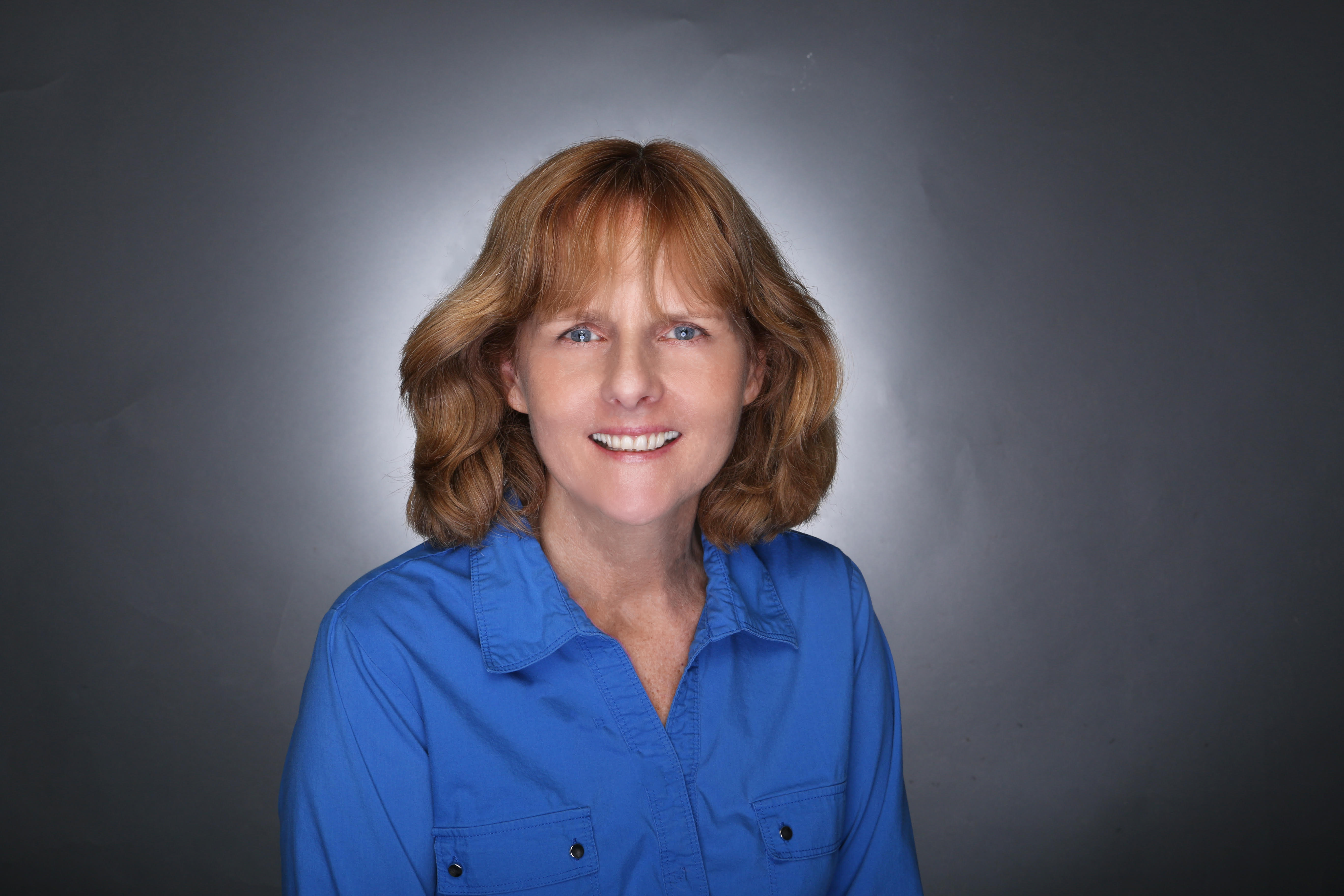 Contact Lisa for more information about speaking engagements, keynotes, workshops and
counseling Phone
or Zoom or Facetime sessions also available (973) 985-4503 or email her at lisa@griefspeaks.com My passion is to normalize grieving in our "get over it" and
"move on" society. I also love to teach people how to be loving listeners to one another, to be more gentle and
compassionate with themselves and others and to be more mindful. Grief is not only something we experience around a
death loss, but any kind of loss. We lose such things as relationships, jobs, dreams, abilities, trust, our identity,
our purpose, a sense of safety, routines and sometimes even hope as well to name a few. I love to encourage people and
provide hope and resources for times when they are in the darkest times of life, as I too have been, when things in my own
life have at times seemed pretty hopeless. I love speaking to teens and to those who work with teens. I have been told by
teenagers that I have a gift for reaching teenagers. They say I really understand them and that I don't preach to them. Doing
high school assemblies is such a great opportunity to reach so many teens who really need to hear what I have to share. Receive
much positive feedback from students and teachers. They tell me that they leave my presentation feeling kinder and more understanding
of themselves and their peers. My passion is helping
children, teens and adults learn healthy ways to cope with some of the toughest things in life. I do so in presentations,
assemblies, keynotes and through my grief counseling. So many of us at some point in our lives are faced with a death of a
friend or loved one, illness in the family or for ourselves, a break up or divorce, a job loss or loss of safety or routine.
We lose friendships and move away from our homes and neighborhoods. We get diagnosed with depression or our loved one does.
We have a child who has cancer or bipolar disorder or suffers with addiction and we feel alone and often ashamed. Perhaps
we have lost the one person in our lives who was our rock, the one we could turn to during adversity who would give us hope,
encouragement and inspiration when we most needed it. I have
worked many years with those suffering with addiction, mental health disorders, bereavement and eating disorders as well as
parenting issues and relationship conflicts. After a time I decided to focus my work in the field of grief and loss. I worked
for a few years facilitating group therapy in a psychiatric unit of a local hospital and it was there that I realized that
most of the people who found themselves in that locked unit were there due to issues that stemmed from grief and loss.
Whether the person had clinical depression, bipolar disorder, was grieving a spouse who had died or left them, lost a child,
lost all hope and felt nothing but despair which may have led them to a suicide attempt, experienced a loss of purpose and
meaning due to retirement, illness, aging or loss of ability, or had an ambiguous loss, such as loving someone who was suffering
with addiction, mentally ill, or dementia, they all had grief. Their loved ones also had grief as well. I wanted to reach
folks before they got to the locked psychiatric unit. Not that there is anything wrong with an inpatient unit, as it
can save one's life. But I thought if I could reach some people when they were younger, teens or college students or young
adults and talk to them about losses, grief and healthy ways to cope, it could make a difference in their lives. I am so blessed to have four young adult children ages 35, 31, 28
and 25 who inspire me daily with how they want to help others and make an impact in this world of ours including traveling
to countries such as China, Uganda, Belize, Bologna, to do service work and/or to teach a language and to be part of supporting
many affected by trauma, grief and loss. I also blessed with a sweet loving Mini Aussiedoodle named Rocky who will be a therapy
dog one day. I reside in
New Jersey and speak all over the United States. I am often asked how I can listen to so many painful and sad stories and still be so
upbeat and positive. I think it comes down to a few things. My personality has always been one who sees the glass half full
and I always look for the good in every situation. Sometimes the only good at first may be that someone showed up to help
or that the painful event has ended. I also practice self care which for me primarily consists of coffee with friends,
running, mediation and time in nature. I also find so much meaning and inspiration in what I do. Everyone has a story and
as they share their story with me I always come away with so much more. I am grateful to all those who share their sacred
healing journey with me. I have learned through the grieving folks I work with to appreciate life, take nothing for granted
and to enjoy every moment we have. I look for the beauty, tell people that I love them, share laughter and tears with others
and feel grateful and honored that so many people invite me to be with them in the midst of their own suffering. I also know
first hand that we are truly so much stronger than we think we are and that at crucial times in our lives, we also need to
find the courage to trust another person and to let them in and let them be there for us. That is not an easy thing to do
especially since many of us have been hurt or wounded by people before. To balance my work, I enjoy running, hiking in the woods, biking on trails, spending time in the mountains, camping,
chasing sunsets and sunrises, walking by the ocean or a waterfall, meditation, being anywhere in nature, traveling, photography,
listening deeply to people share their sacred stories of loss, strength and resilience, reading and having coffee
at Dunkin Donuts around the US when traveling to speak. I have a Bachelor's degree in Psychology and a
Master's degree in Counseling and am a Grief Recovery Specialist. I serve on the N.J. Traumatic Loss Coalition for Youth as
a Lead Responder in Union and Essex counties. I am the co-founder of Camp Clover, which is a NJ bereavement day camp for
children and teens where I am the on-site bereavement specialist and facilitate sharing circles for campers as well as run
the staff training. I am currently writing a book for teens, their parents and teachers on grief, loss and other tough stuff
that teens experience. My
experience has been in working in the fields of bereavement, addictions and mental health. I worked at Fair Oaks Hospital
in Summit, NJ in the outpatient recovery unit working with people dealing with drug and alcohol addiction and their
families. I also worked at The Center for the Treatment of Eating Disorders as the Director of Outreach and ran groups
for people dealing with eating disorders and their families. There I started a NJ Eating Disorders Hotline. I
also worked at Overlook Hospital on the in-patient psychiatric unit as a counselor and facilitated
daily group therapy, and met hundreds of teens and adults suffering with grief, often unacknowledged or unaddressed, which
presented itself through substance abuse and addictions, depression, anxiety, eating disorders, psychosis, self injurious
behavior and suicide attempts. I speak to various audiences including children, teens and adults in many different venues
such as universities, keynote addresses at conferences of all types, schools, service organizations, hospitals, addiction
organizations, school based programs, juvenile detention centers, assisted living communities, companies, police and fire
departments, first aid squads, agencies, religious affiliations, support groups, parent groups, and more. I love speaking to students, K -12th and college students,
in their classrooms as well as for assemblies. I have received countless letters from children, teens and adults
thanking me for inspiring them to empathize more with others who may be going through a rough time, to treat others in a kinder
way, to find the courage to ask for help, helping them to feel less stigmatized about mental health issues, and for normalizing
grief in our "move on" and "get over it" society. An aim of my programs is to leave participants
with a wealth of knowledge, skills and tools and a deeper respect and understanding for the grieving and healing
process. People will "get" the value of listening to a griever with understanding and respect, in knowing
that no two people grieve alike or in the same time, and the value of finding words for our experiences, losses and feelings.
So important to assist grievers in finding healthy ways to express those feelings and thoughts. I help people find
helpful ways to deal with anniversaries, special days and other very personal times of remembrance of a loved one who has
died. Audiences come away with an understanding of what they can do when a loved one is dying or ill, how they can create
memory books, suggestions of how many others have learned to include the memories of a deceased loved one, in their present
celebrations if they choose. Feedback from audiences say that they feel I am knowledgeable, engaging and compassionate with a sense of humor which helps.
My passion is to normalize grief and loss in our grief avoiding and "get over it" society. My goal whether sitting
with a family, presenting to a group of 20 or 500 or one on one is to create a safe space for people to be where they are
at. and teaches others to do the same which enables people to acknowledge, identify and express their grief.
teaches healthy ways to identify, handle and express the normal and natural feelings and thoughts that follow a loss of
any type. Years ago I realized
that a significant amount of the patients admitted to the hospital's psychiatric unit had experienced multiple
losses either in childhood or recently, whether it was a death of a significant person, loss of relationship
through divorce, loss of purpose or identity through retirement, loss of job, estrangement in relationships, domestic
violence, moving, emotional, sexual or physical abuse as a child, a past traumatic experience, bullying,
abandonment or other secondary losses as a result of their addictions or depression or other symptomatology.
There were also many patients with a mental health disorder who had needed immediate stabilization and aftercare follow
up. Lisa also served as the Coordinator of Education and Outreach for Good Grief. Good Grief is a resource for
grieving children, teens and their families. This non-profit organization provides free, year round peer
support programs for children, teens and adults coping with loss due to death. Lisa led 4 thirty hour facilitator
training sessions for Good Grief.
Lisa Athan is a member of:
|
||||||||||||


lisa@griefspeaks.com
(973) 985-4503